Understanding Recent Form
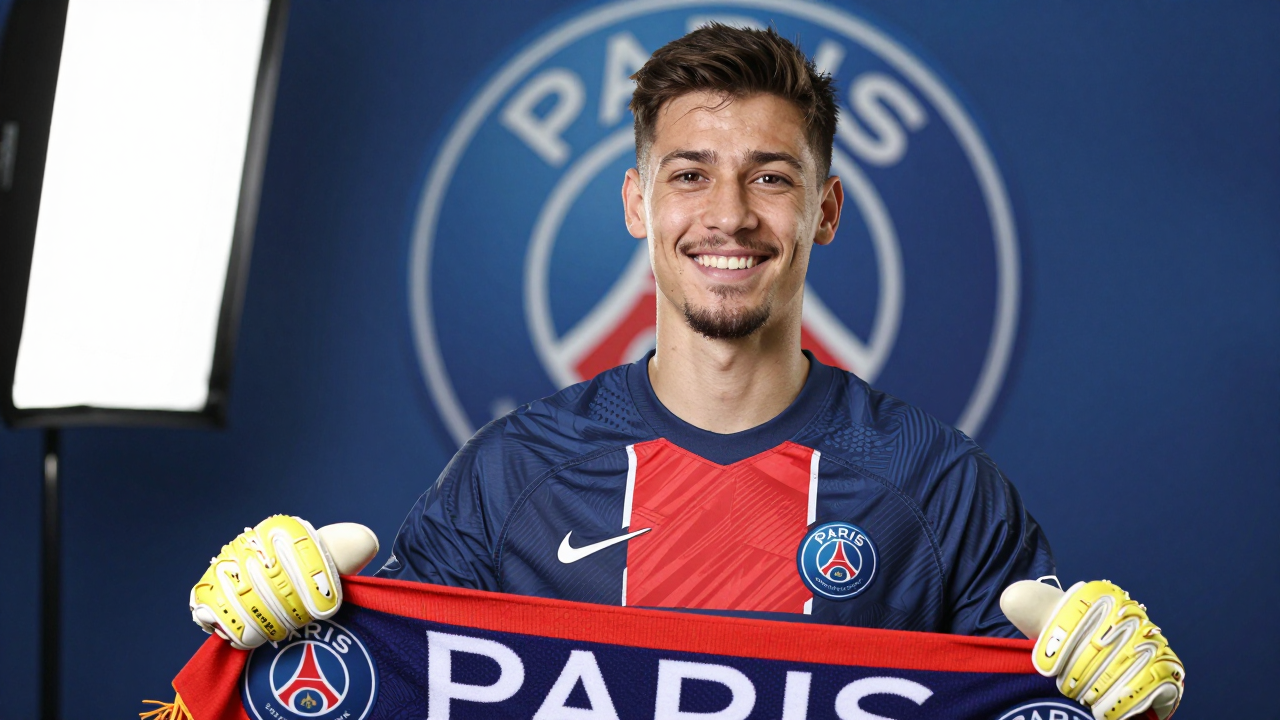
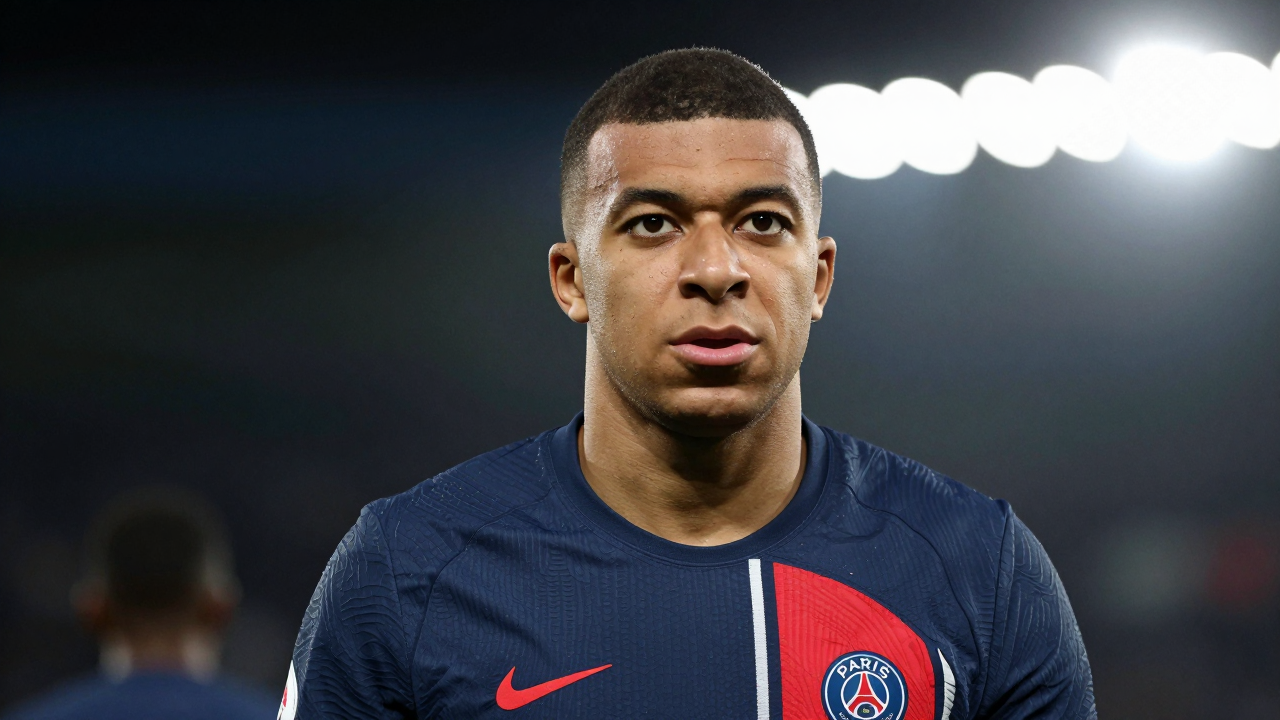
Paris Saint-Germain's recent performances have exhibited a blend of brilliance and inconsistency that has left fans both excited and frustrated. With players like Kylian Mbappé and Ousmane Dembélé showcasing flashes of individual brilliance, the collective play has occasionally faltered. The midfield, in particular, has struggled to maintain control against pressing opponents, leading to uncharacteristic turnovers and counter-attacks. Moreover, the defensive line has shown vulnerability, especially when caught out of position during transitions, which has allowed opponents to exploit gaps effectively.
Tactical Analysis
Currently, Paris Saint-Germain operates primarily in a 4-3-3 formation, which, while effective in theory, has often led to overcrowded midfield zones where players struggle to find space. This tactical setup relies heavily on the full-backs providing width; however, with the likes of Achraf Hakimi and Lucas Hernandez pushing forward, the team has sometimes left itself exposed at the back. The balance between attacking impetus and defensive solidity is crucial, especially in high-stakes matches against rivals like Olympique de Marseille.
Suggested Tweaks
1. Midfield Reconfiguration: To bolster control in the center of the pitch, a shift to a 4-2-3-1 formation could be beneficial. By deploying two holding midfielders, such as Marco Verratti and Vitinha, Paris Saint-Germain would gain greater stability and allow the attacking trio to flourish without the constant worry of defensive lapses. This adjustment would also enable Verratti to orchestrate play more effectively, utilizing his vision to transition quickly from defense to attack.
2. Utilizing Width: While the full-backs have been pivotal in Paris Saint-Germain's attacking strategy, a more disciplined approach is needed. Encouraging Hakimi and Hernandez to hold their positions wider could stretch opposing defenses and create space for Mbappé and Dembélé, who thrive in one-on-one situations. This would not only enhance attacking options but also provide a safer structure when the team is countered.
3. Pressing Strategy: Implementing a coordinated pressing scheme could significantly improve Paris Saint-Germain’s ability to win back possession. Instead of allowing opponents to build from the back, Paris Saint-Germain should adopt a more aggressive pressing approach when the ball is lost. This requires forward players to engage defenders immediately, forcing them into mistakes and creating high-quality chances in the final third.
4. Depth in Attack: Utilizing the squad depth more effectively could alleviate the pressure on key players. Introducing a more rotation-based approach, particularly for wingers and forwards, would keep players fresh and maintain a high level of intensity throughout the matches. For instance, incorporating young talents such as Warren Zaïre-Emery more regularly could bring fresh energy and creativity.
Conclusion
As Paris Saint-Germain looks to reclaim dominance in both domestic and European competitions, these tactical adjustments could be pivotal. By reconfiguring the midfield, utilizing width more effectively, adopting a coordinated pressing strategy, and ensuring depth in attack, Les Parisiens can enhance their performance and navigate through the tough patches of the season more effectively. Fans in Ciamis will be hoping that these tweaks lead to a more cohesive and formidable Paris Saint-Germain that can consistently challenge for titles.