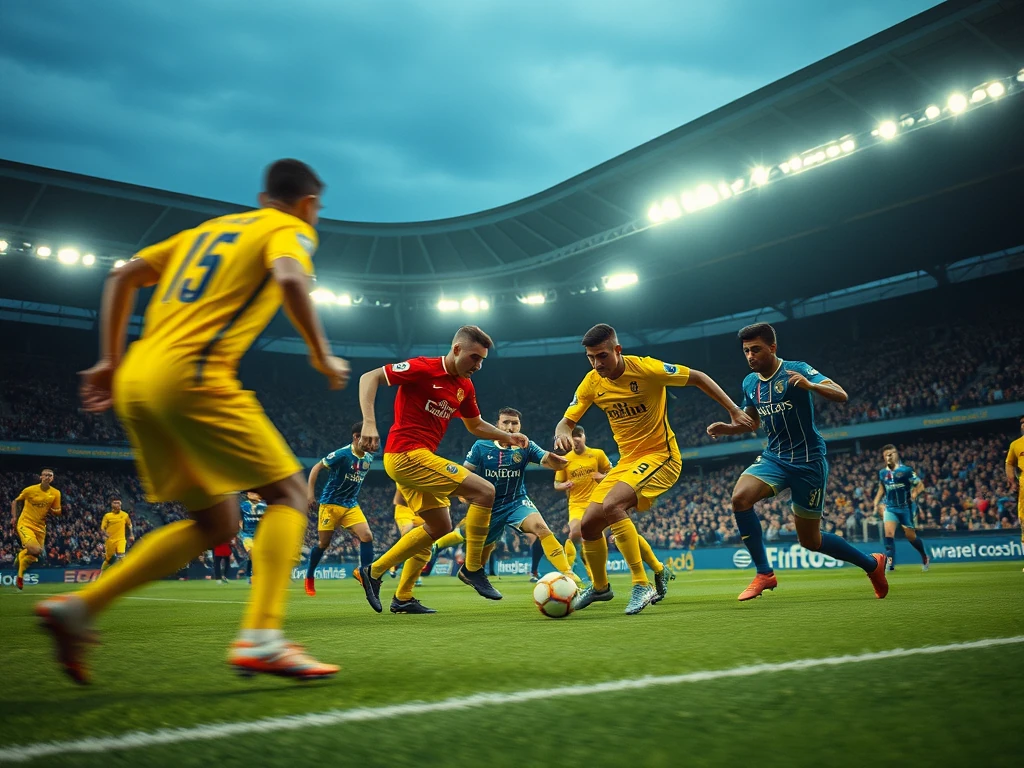
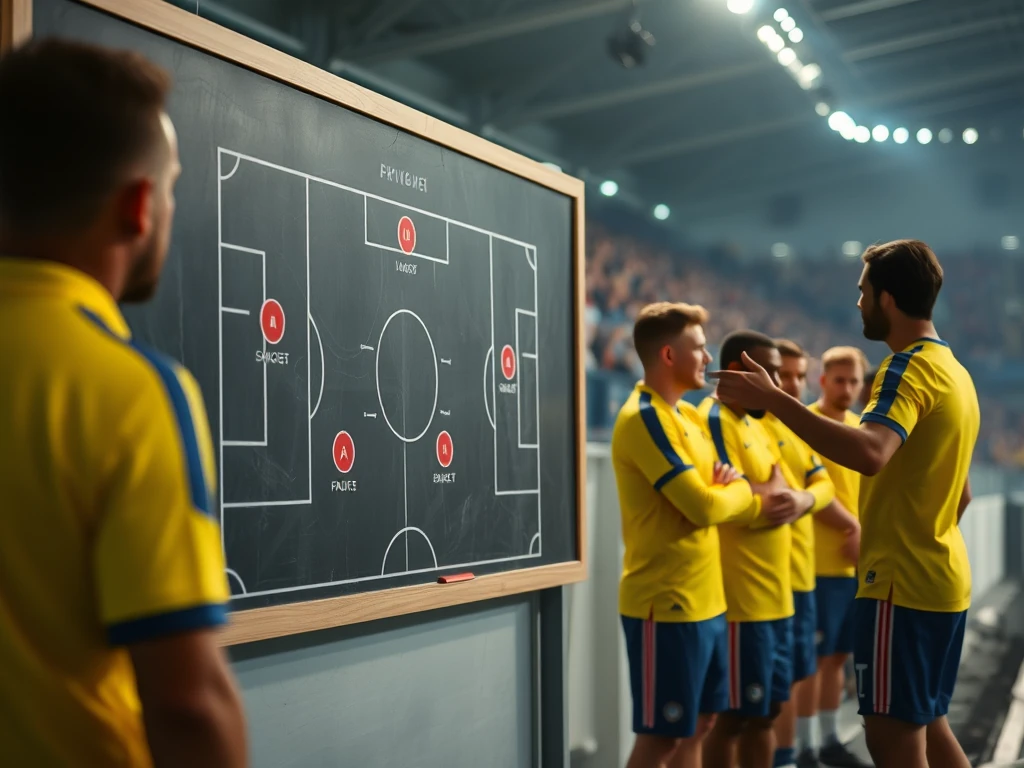
The current season for Paris Saint-Germain has seen them grappling with inconsistencies on the pitch, raising questions about their tactical setup. To address these issues, it's essential to delve into the nuances of their formation and make strategic tweaks that could elevate their performance.
In recent matches, Paris Saint-Germain has often relied on a 4-3-3 formation, which has its merits in terms of attacking prowess and width. However, the team has occasionally struggled to maintain defensive stability against high-pressing opponents. One suggested adjustment is to transition to a 4-2-3-1 setup. This formation allows for a more compact midfield, providing additional support to the backline while still maintaining a potent attacking threat through the three attacking midfielders. By positioning two holding midfielders-perhaps Marco Verratti and Vitinha-Paris Saint-Germain can shield their defense more effectively, allowing the full-backs to push forward with less risk of being caught out of position.
Another key tactical tweak involves the use of positional interchange among the forwards. While Kylian Mbappé's speed and dribbling ability make him a natural winger, occasionally repositioning him as a central striker could create more dynamic attacking options. This would allow players like Ousmane Dembélé and Gonçalo Ramos to engage in fluid movements across the front line, creating confusion for opposing defenders and opening up space for late runs from players like Vitinha or Marco Verratti.
Defensively, Paris Saint-Germain has shown vulnerabilities, particularly when opponents exploit the spaces between the lines. One potential solution lies in encouraging the center-backs to step into midfield when in possession. This not only helps in building from the back but can also disrupt the opposing team's pressing schemes, allowing Paris Saint-Germain to exploit transitional moments more effectively. The likes of Presnel Kimpembe and Achraf Hakimi can play crucial roles in this approach, as both possess the technical ability to contribute to ball progression while remaining alert to defensive duties.
Moreover, enhancing the team's pressing strategy could yield positive results. Paris Saint-Germain should look to implement a more coordinated high press, particularly against teams that tend to play out from the back. By synchronizing their pressing triggers, the forwards can force errors and regain possession in advanced areas, setting the stage for quick goal-scoring opportunities.
In conclusion, while Paris Saint-Germain's current formation has its strengths, subtle adjustments can significantly improve their overall tactical efficiency. By transitioning to a 4-2-3-1 setup, encouraging positional interchange among forwards, and enhancing their pressing strategy, Les Parisiens can reclaim their dominance in Ligue 1 and make a compelling case for European glory.