 Paris Saint-Germain Hub
In the heart of Paris, amid the hustle and bustle of a city renowned for its art, culture, and, of course, its football, the birth of Paris Saint-Germain in 1970 marked the dawn of a new era in French football. Formed from the merger of Stade Saint-Germain and Paris FC, Paris Saint-Germain was created to provide a platform for high-caliber football, uniting the city's diverse fanbase under one banner. Little did anyone know at that time, this union would lead to one of the most prominent football establishments in Europe.
The foundation of Paris Saint-Germain came at a time when French football was still finding its identity. The 1960s had seen the rise of clubs like AS Saint-Étienne and Olympique de Marseille, but the capital city lacked a true powerhouse. By combining the talents of players from both clubs, Paris Saint-Germain emerged with a mission: to become the pride of Paris and challenge for the top honors in French football.
In its inaugural season, Paris Saint-Germain played in the second tier of French football, but it quickly drew attention for its style of play and the burgeoning talent within its ranks. The fans were captivated by the combination of young prospects and experienced players, creating a perfect storm for a club eager to make its mark. The club's first significant achievement came in 1982, when they lifted the Coupe de France, a trophy that would become synonymous with their early success.
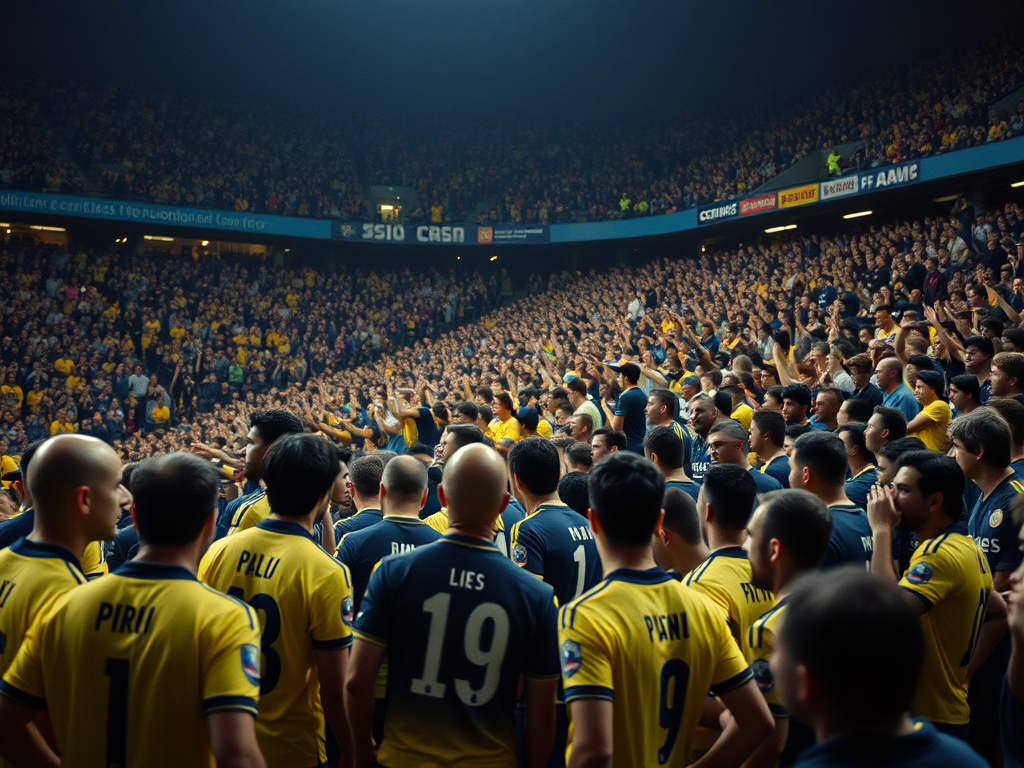
However, it was not just success on the pitch that defined Paris Saint-Germain’s early years. The club's vibrant identity and ethos began to take shape, embodying the spirit of Paris. The colors of blue and red became a symbol of unity and pride among the supporters, who began to flock to the Parc des Princes, the club's home ground. It was here that Paris Saint-Germain cultivated a passionate fan base that would become known for their unwavering loyalty and fervent support, helping to create an electric atmosphere that rivals any in Europe.
As Paris Saint-Germain began to establish itself, rivalries started to brew, most notably with Olympique de Marseille. The clashes between these two clubs became more than just football matches; they evolved into cultural events that showcased the rivalry between the two cities. This animosity added an extra layer of excitement to the fixtures, and the matches quickly became a focal point of the football calendar in France.
The 1980s and 1990s were transformative decades for Paris Saint-Germain. Under the guidance of visionary leaders and the influence of talented players such as Safet Sušić and David Ginola, the club began to attract international attention. Their success on the pitch, including winning multiple league titles and domestic cups, set the foundation for the Paris Saint-Germain we know today.
The club's ascent continued through the 2000s and beyond, culminating in their acquisition by Qatari investors in 2011, which propelled Paris Saint-Germain into the upper echelons of global football. However, it is essential to remember that this journey began with a dream to unite the city of Paris through football. The creation of Paris Saint-Germain was not just about forming a football club; it was about establishing an institution that would represent the values and passions of its supporters.
Today, as Les Parisiens prepare for another exciting season, the echoes of their founding days resonate strongly. The legacy of 1970 is not just found in the trophies and titles but in the very fabric of the club and its supporters. Paris Saint-Germain's story is a testament to the power of ambition, unity, and the love of football—qualities that continue to inspire generations of fans in Ciamis and around the world.