
The 2010-11 Season: Paris Saint-Germain's Renaissance in Ligue 1
The 2010-11 season stands as a monumental chapter in the history of Paris Saint-Germain, a time when Les Parisiens began to shake off the shadows of mediocrity and set their sights on the heights of French football. After a turbulent period filled with ups and downs, the arrival of new ownership in the form of Qatar Sports Investments (QSI) brought a wave of optimism and ambition that would redefine the club's trajectory.
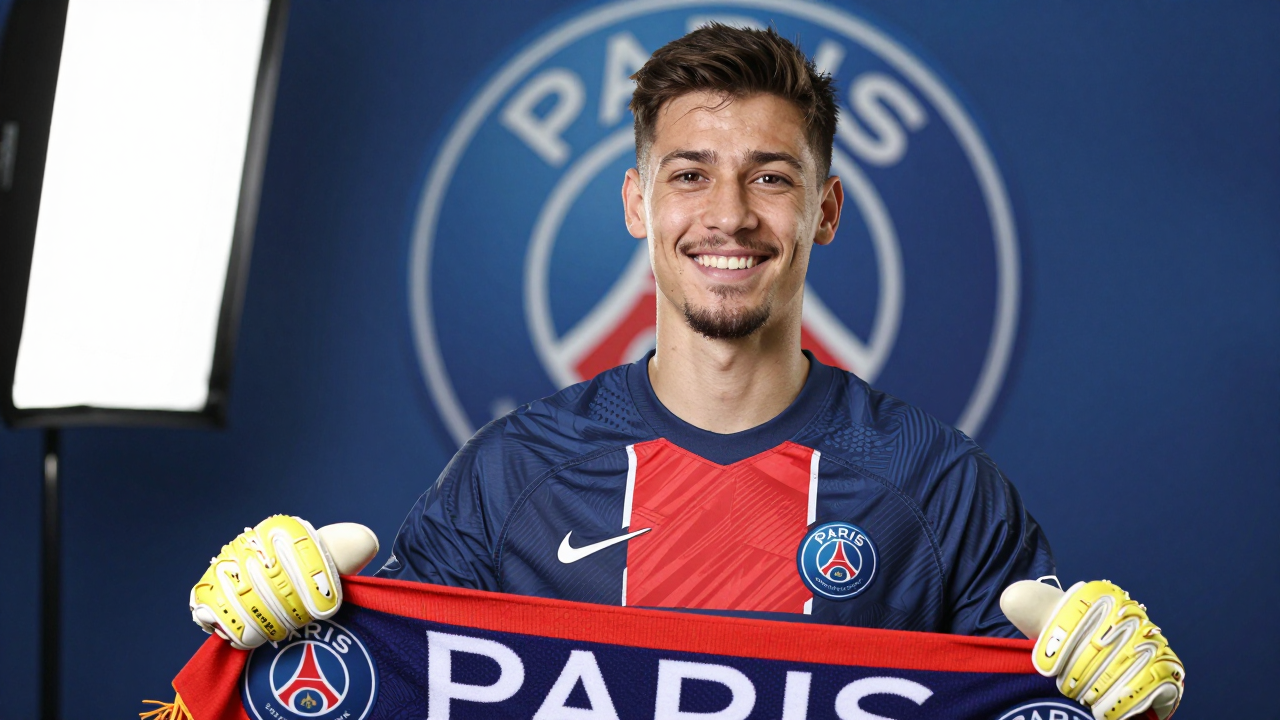
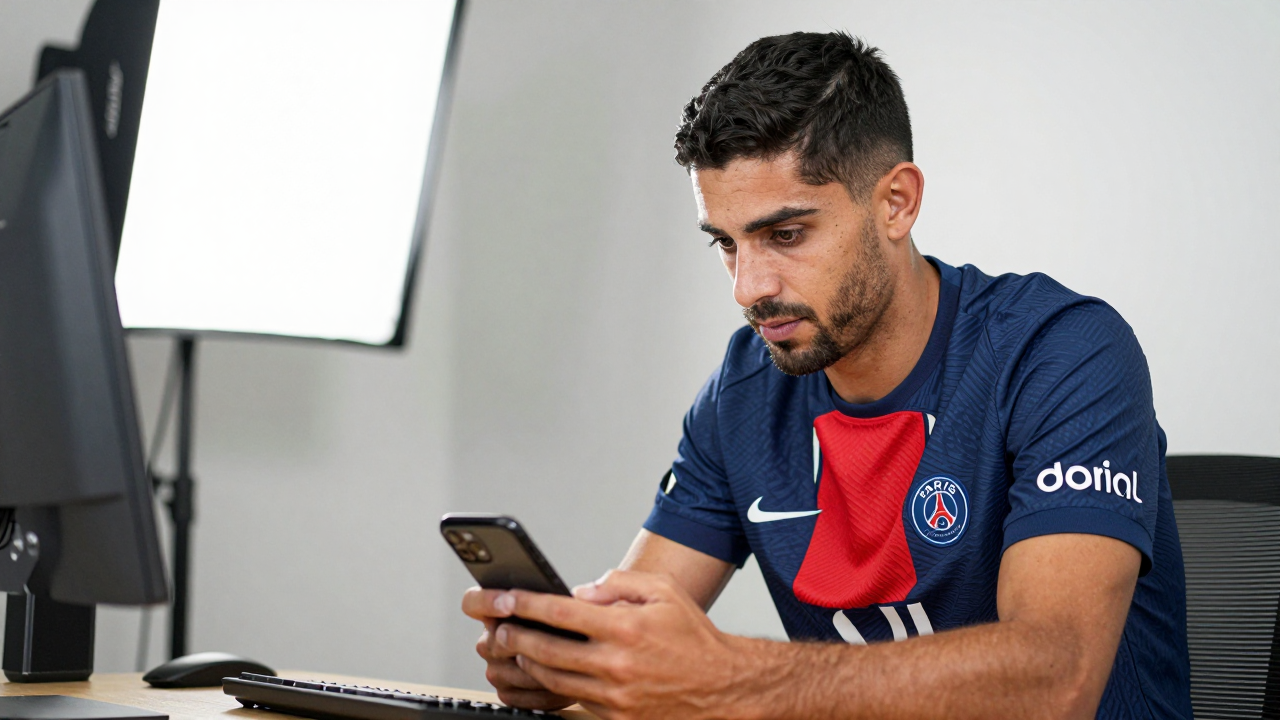
Under the new regime, Paris Saint-Germain's vision was clear: to compete not just in Ligue 1 but also on the European stage. This ambition was immediately reflected in the club's transfer strategy as they sought to attract top talent. The signing of players like Javier Pastore, who arrived from Palermo, signaled a shift towards a more competitive squad. Known for his creativity and flair, Pastore quickly became a fan favorite, embodying the new style of play that Paris Saint-Germain was looking to implement.
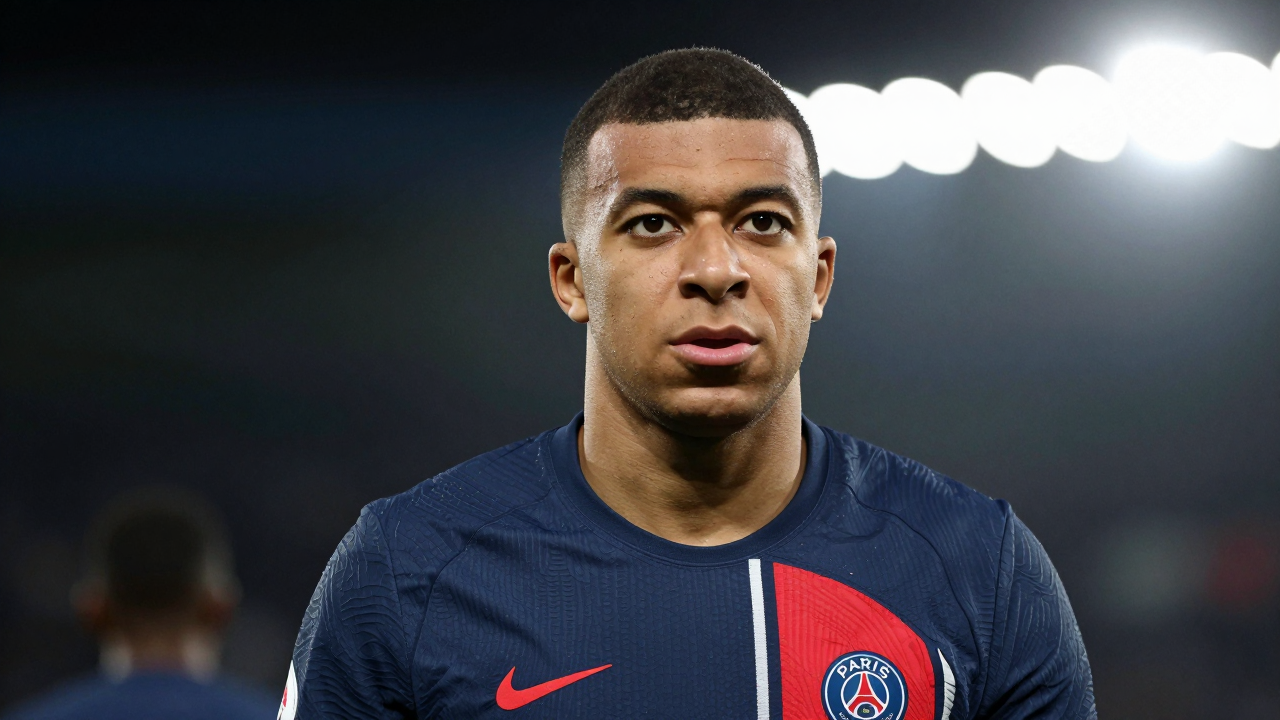
Throughout the season, Paris Saint-Germain showcased a blend of emerging talent and seasoned veterans, creating a balanced team that resonated well with both supporters and critics alike. The tactical acumen of manager Antoine Kombouaré was evident as the players adapted to a more attacking and cohesive style, which led to a series of impressive performances. The atmosphere in the Parc des Princes began to change, as fans embraced the new direction with fervor, believing that their club was finally on the path to greatness.
One of the defining moments of the season came in the Coupe de France, where Paris Saint-Germain's run to the final captured the hearts of supporters. Although they ultimately fell short in the final against Lille, the journey itself was a testament to the team’s resilience and potential. Matches filled with energy, creativity, and the passionate support of fans in Ciamis further solidified the bond between the club and its followers, who were eager to see their team reclaim its status as a powerhouse in French football.
The 2010-11 season also saw Paris Saint-Germain’s rivalry with Olympique de Marseille intensify, as the two clubs fought for supremacy in the league. The matches were electrifying, with both sets of fans bringing their unique flavors to the stadium, underscoring the importance of the rivalry in French football culture. These clashes not only reignited the competitive spirit but also helped elevate Paris Saint-Germain’s profile both domestically and across Europe.
As the season drew to a close, Paris Saint-Germain finished fourth in Ligue 1, a respectable position that laid the groundwork for future success. More importantly, the club had begun to attract attention and respect, setting the stage for future investments and high-profile signings. The foundations of what would become a dominant era were being built, as the new ownership’s vision started to take shape.
In retrospect, the 2010-11 season was not just about wins or losses; it was about the rebirth of Paris Saint-Germain as a serious contender in French football. With a blend of passion, ambition, and strategic planning, Paris Saint-Germain had taken its first major steps into a new era, one that would see them transform into one of the most formidable clubs in Europe. The excitement felt in Ciamis and beyond was palpable, as fans began to dream of the possibilities that lay ahead for their beloved Les Parisiens.